
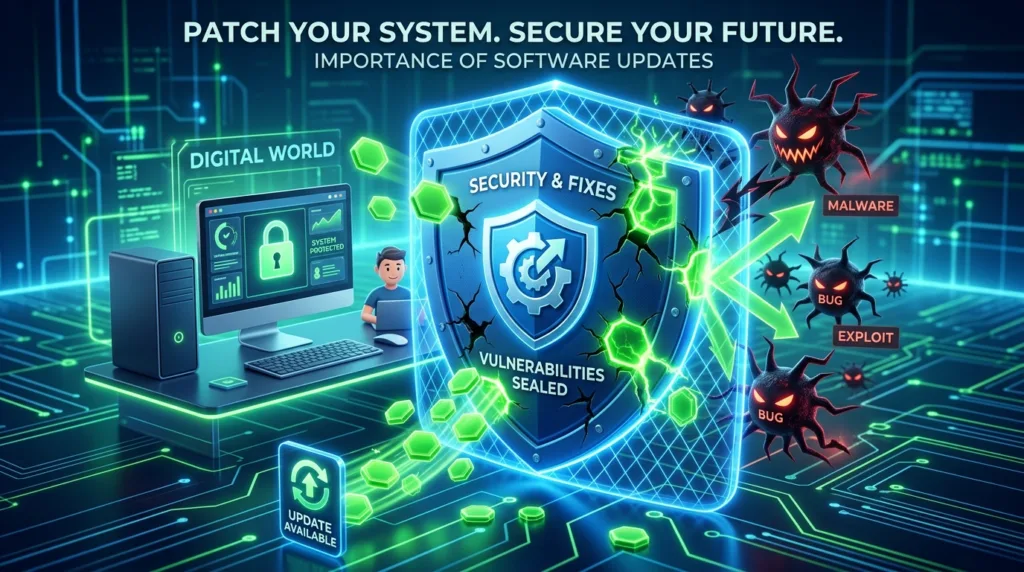
Why Software Updates Matter for Your Digital Security
Software updates have an unfortunate reputation for arriving at exactly the wrong time. You are about to shut down your
Software updates have an unfortunate reputation for arriving at exactly the wrong time. You are about to shut down your
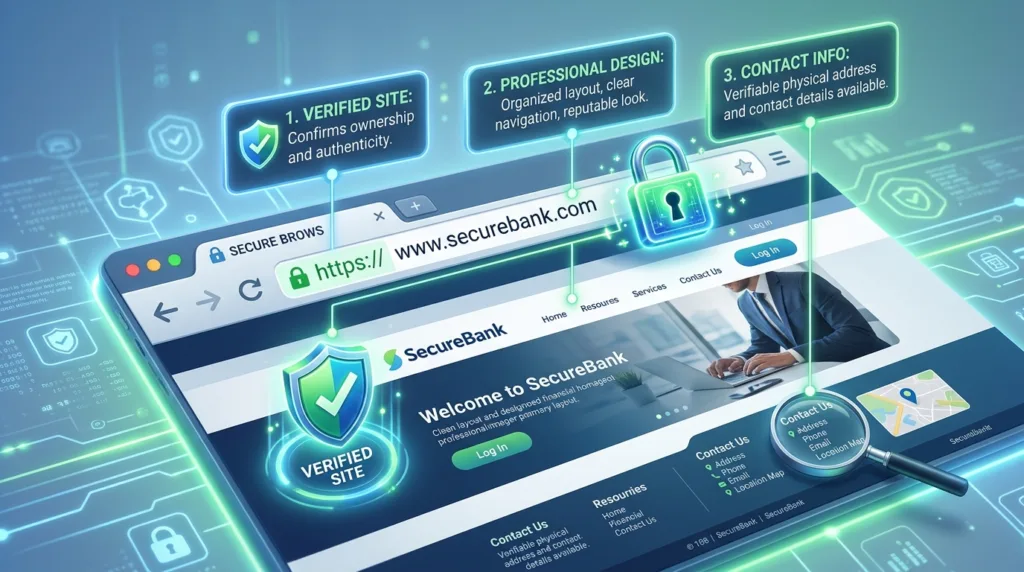
A website can look perfectly legitimate and still be untrustworthy. That is one reason judging a site by appearance alone
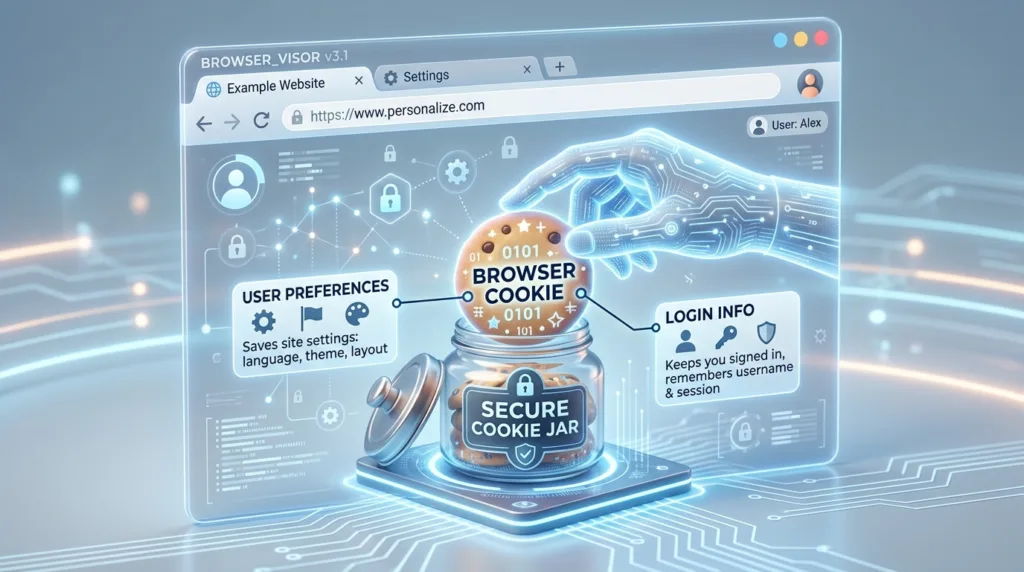
You visit a website because you want to read an article, check a store’s hours, or look up a recipe,
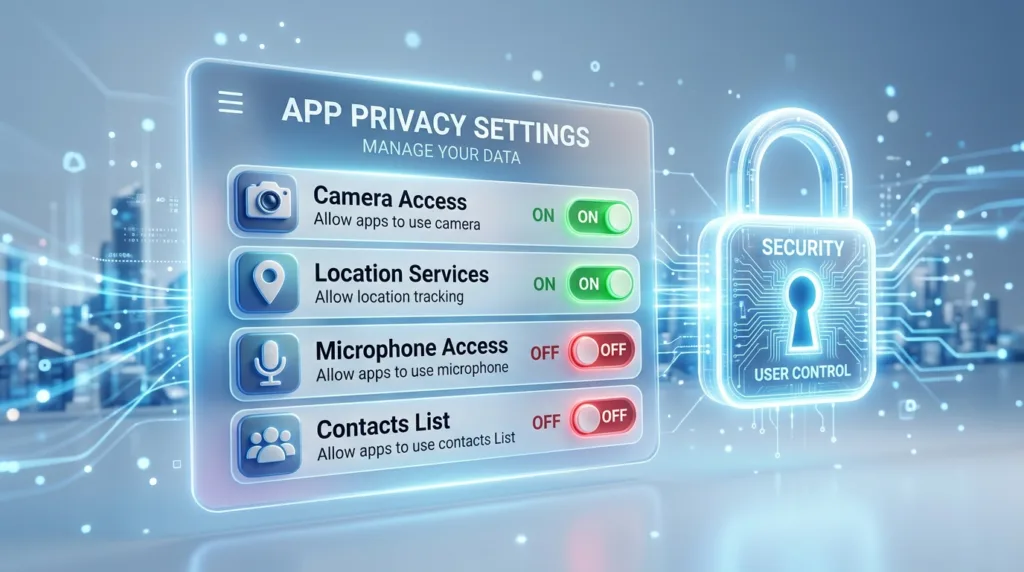
The first time a new app asks to use your camera, microphone, location, photos, or contacts, the easiest response is
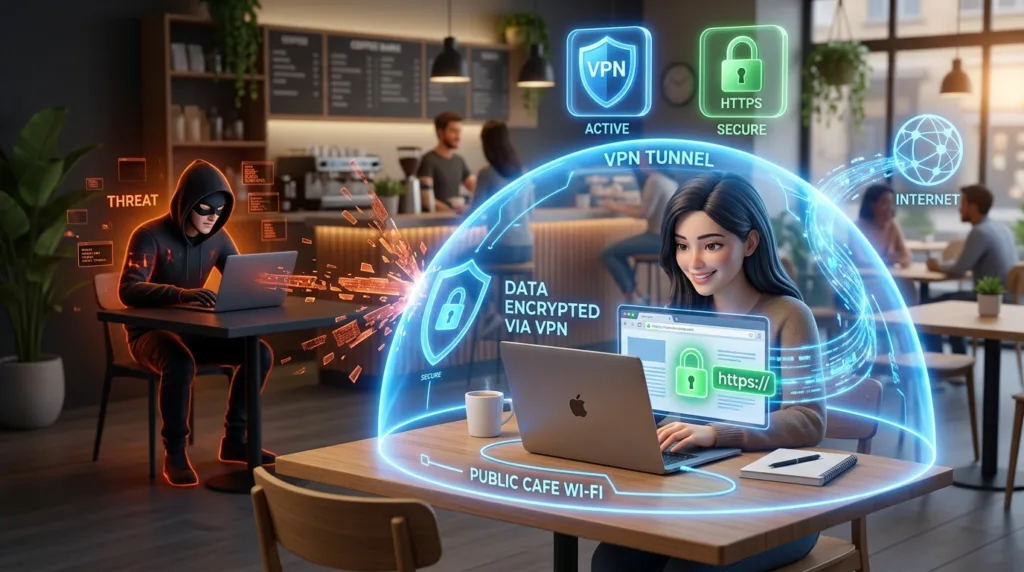
Public Wi-Fi has accumulated a reputation that is difficult to shake. For years, people were warned not to check email
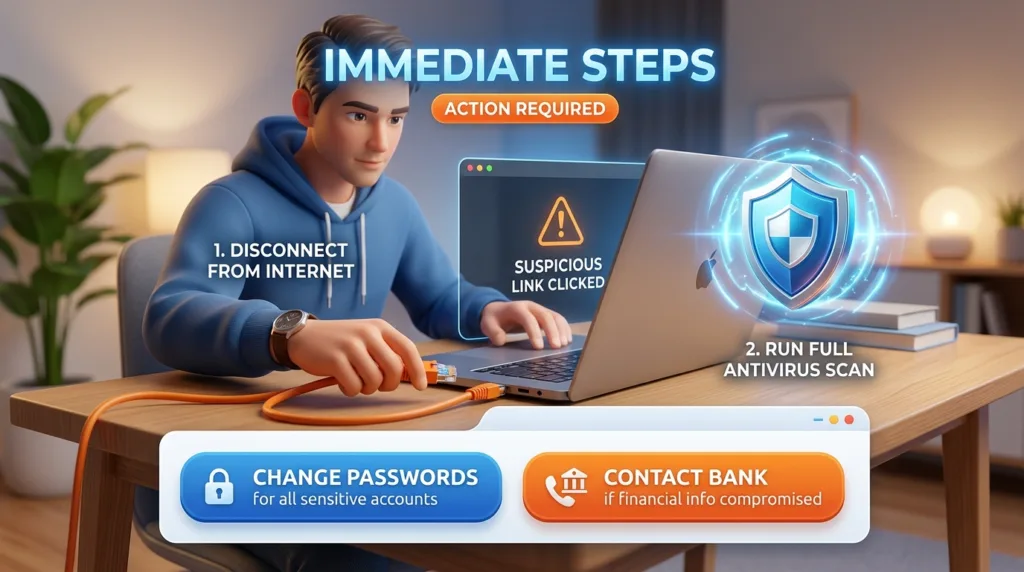
Clicking a suspicious link can create an immediate sense of panic, especially when you realize what happened only after the
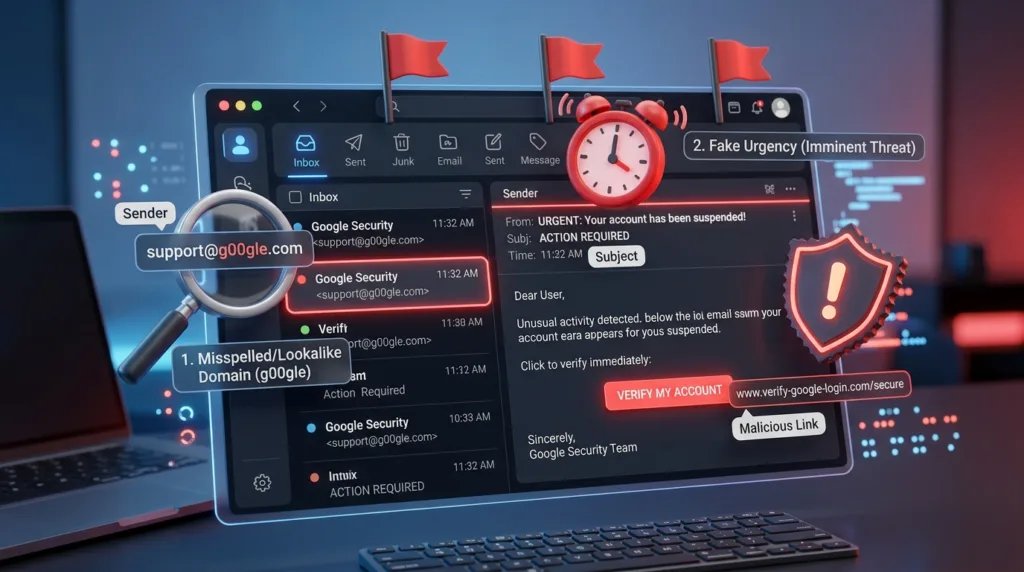
A convincing phishing email rarely announces itself with terrible spelling, a bizarre logo, and an obviously fake sender. The more
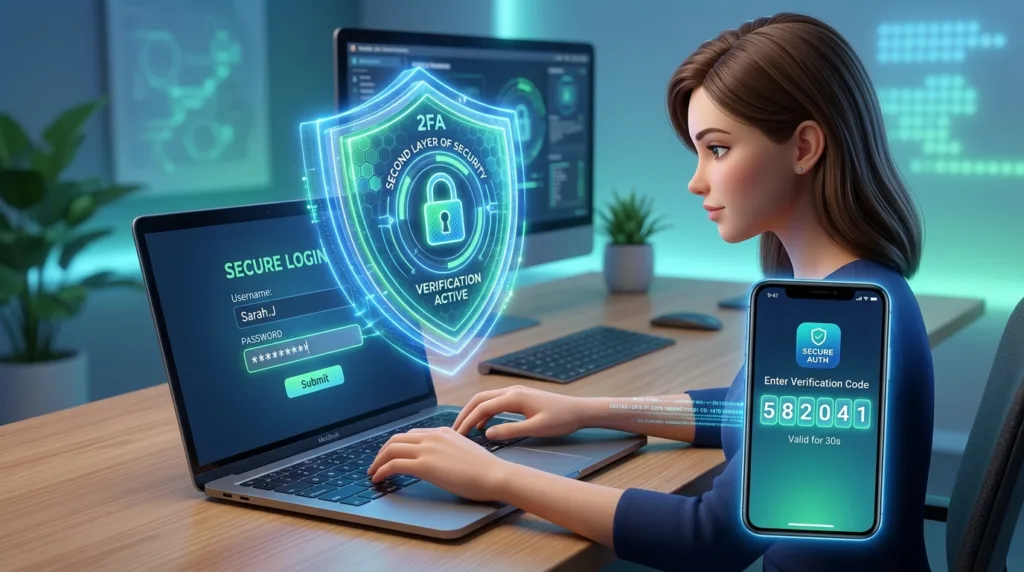
A password can fail in several ways without looking weak. It can be reused on another website that suffers a
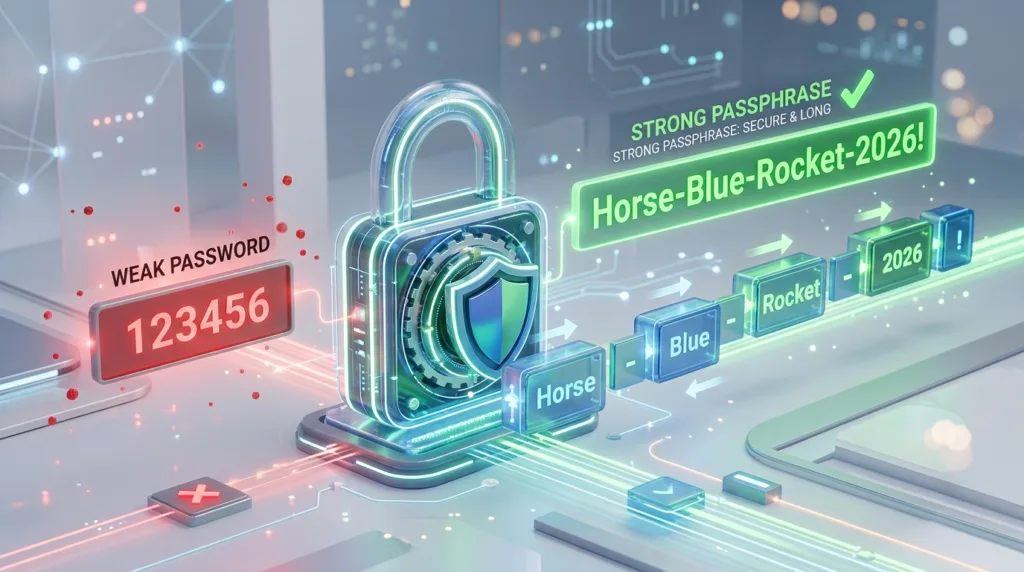
A password can be technically impressive and still be a terrible password for a real person. Something like T7!qP9#vL2@x looks
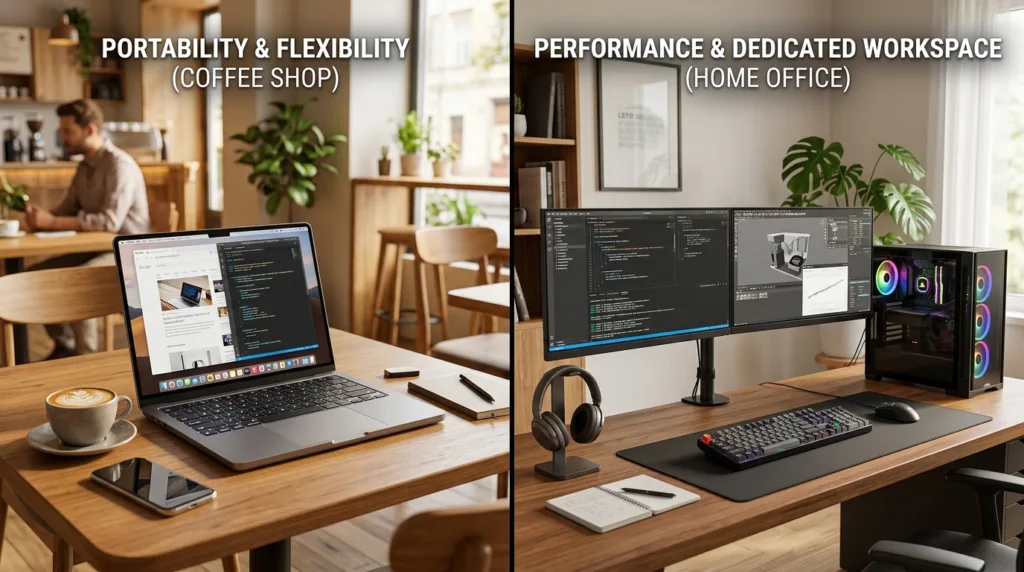
Buying a computer often starts with specifications. Processor. RAM. Storage. Screen size. Battery life. But before any of those details
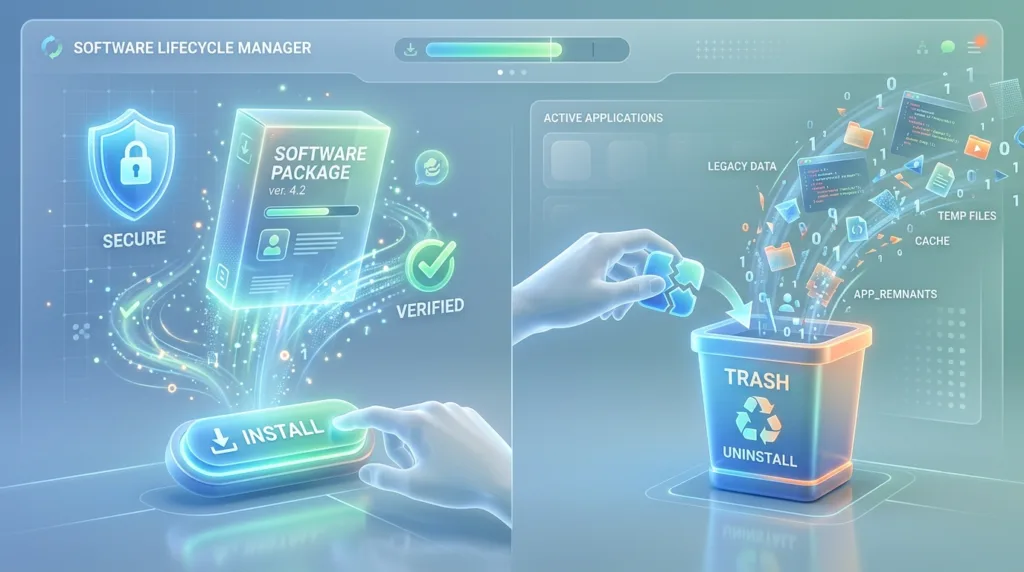
Installing a new program should be an ordinary computer task, not a gamble. You find the software you need, download

You finish a document on your laptop, leave home, and later open the same file on your phone. No USB